Rare. Intense. Extraordinary. The Rarest of Rare Wild Civet Coffee.
Only 5% of our harvest emerges as peaberry—the rarest mutation in coffee production. Single-bean pods develop concentrated flavor that defies ordinary understanding. Wild civet peaberry from Bali. This is coffee at its most singular and profound.
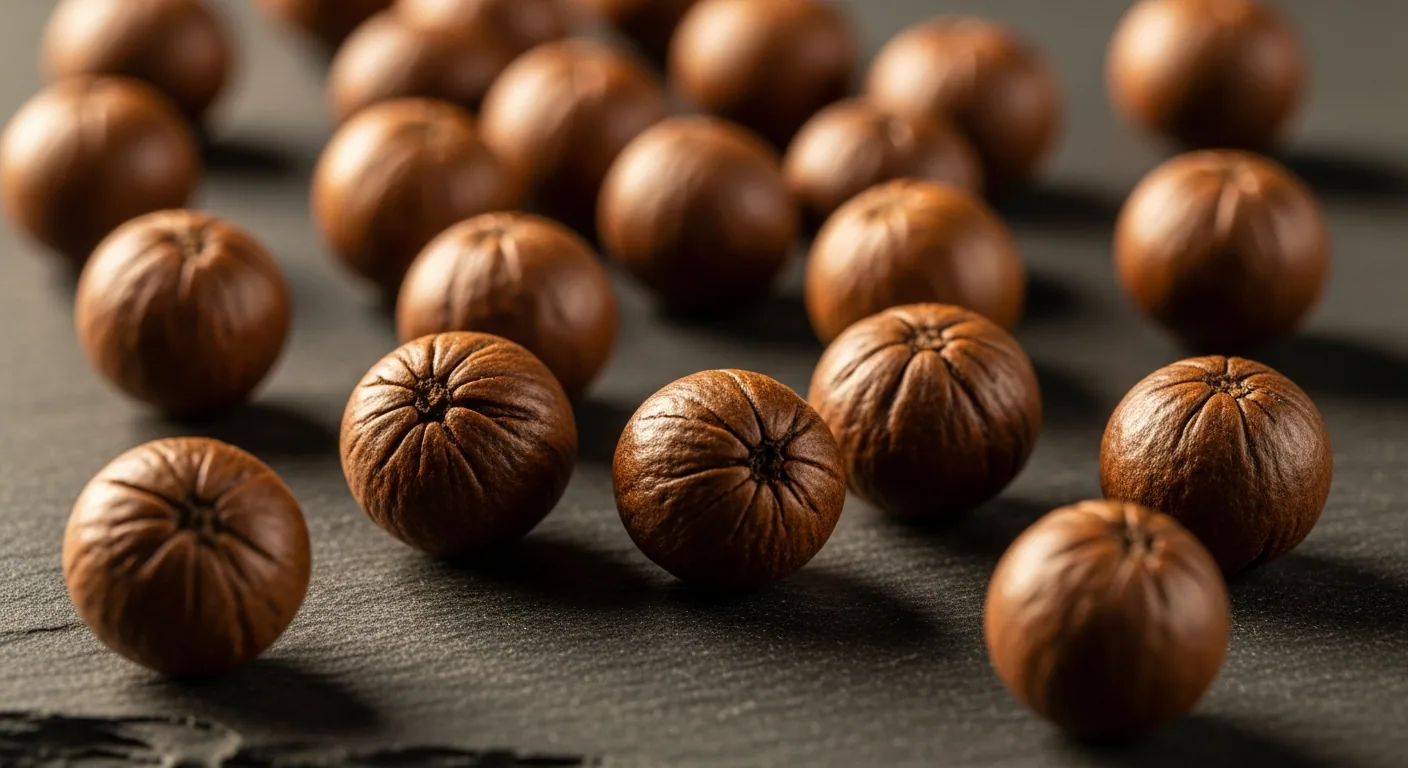
A peaberry is a natural mutation. Where coffee cherries normally develop two flat beans facing each other, peaberry cherries contain only a single, rounded bean. This occurs in roughly 5% of the total harvest, making it a genuine rarity. When that rare bean passes through the digestive system of a wild palm civet, producing authentic Kopi Luwak, you’re holding something extraordinary—a true collector’s item for coffee enthusiasts worldwide.
The concentration of flavor in a peaberry is undeniable. Because all the coffee fruit’s nutrients, sugars, and flavor compounds develop within a single bean rather than dividing between two, the density of flavor is profound. Our Peaberry isn’t just coffee—it’s an experience, a moment of sensory revelation, a journey through the most complex flavors Bali’s volcanic soil and our palm civets can create together.
Each peaberry bean is hand-selected from our wild-harvested collection. We roast them with exceptional care, respecting the delicate balance of their concentrated sugars and acids. Every element of our process—from sourcing to roasting to packaging—honors the uniqueness of this rare bean.
This is not coffee for casual drinking. This is coffee for moments of intention. For tasting notes. For savoring. For understanding what the absolute peak of coffee quality looks and tastes like.
Single-Bean Mutation • Concentrated Flavor • Collector’s Grade
Intense berry notes, wine-like acidity, and honey sweetness create a complex, multifaceted experience. Secondary flavors include dark cherry, plum, cocoa, and subtle spice. The finish is long, lingering, and deeply satisfying with a floral delicacy underneath.
Medium-full bodied with a juicy, complex mouthfeel. Silky smooth with exceptional balance. The concentrated flavor doesn’t overwhelm—instead, it reveals itself layer by layer as the cup cools, unfolding new dimensions with each sip.
Medium roast, carefully calibrated to preserve the delicate acidity and berry characteristics while developing depth. Wild-sourced peaberry through authentic civet processing. Only 5% of harvest.
Volcanic Bali, wild-sourced peaberry mutation. Single-bean cherry development concentrates all nutrients into one extraordinary bean. Nature’s rarity. Coffee’s peak expression.
Normal coffee cherries develop two flat beans. Peaberry cherries develop a single rounded bean instead—a genetic mutation. All the cherry’s resources develop one bean, creating concentrated flavor that’s impossible in standard coffee. The shape is distinct: perfectly round rather than flat. The density is higher. The sweetness is more pronounced. The acidity is more vibrant.
Peaberry is not a cultivated variety—it’s a random genetic mutation affecting individual cherries within otherwise normal plants. Farmers cannot control which cherries will be peaberry. They appear unpredictably, sometimes more frequently in certain microclimates or under specific conditions, but never predictably. This unpredictability and rarity is why peaberry commands premium pricing and why collectors seek it obsessively.
When all the cherry’s sugars, acids, and flavor compounds concentrate in a single bean rather than dividing between two, the density of flavor compounds increases dramatically. This isn’t speculation—it’s chemistry. Peaberry coffees consistently demonstrate higher levels of volatile aromatics, more pronounced acidity, and deeper sweetness. The wine-like qualities, the berry brightness, the honey notes—they all stem from this concentration effect.
For first experience
Discover what rarity tastes like. Single-serve introduction to the most concentrated flavor in coffee.
The collector’s choice
The signature choice. Enough for comprehensive exploration across multiple brewing methods and tasting sessions.
For serious devotees
Best value for serious peaberry enthusiasts. Stock your collection with the world’s rarest wild civet coffee.
For peaberry, pour-over methods shine. Use a medium-fine grind. Brew ratio: 1:16.5 (1g coffee to 16.5ml water). Water temperature: 200°F (93°C). This method highlights the wine-like acidity, berry brightness, and honey sweetness without overwhelming the delicate balance. Slow your pour, savor the bloom, and watch the colors shift as the concentrated flavors develop.
Aeropress is ideal for experiencing peaberry’s complexity. Use a medium-fine grind. Brew ratio: 1:17. Water temperature: 195°F (90°C). Steep for 90 seconds before pressing slowly over 30 seconds. The pressure creates clarity while the contact time extracts the concentrated flavors fully. Experiment with variations—adjust temperature and time to discover new dimensions.
To truly understand peaberry’s complexity, try cupping. Use a medium grind. Pour water at 200°F (93°C) and steep for 4 minutes. Break the surface crust and smell the aromatics—this is when the wine-like character becomes apparent. Slurp the coffee deliberately, coating your entire palate, noticing how flavors evolve as the cup cools. This is not casual drinking; this is sensory education.
Pro Tip: Peaberry’s complexity demands attention. Avoid brewing in automatic machines where you can’t control variables. Use manual brewing methods where you can adjust temperature, time, and pour rate. The concentrated flavors reward precision. Always use filtered water at the right temperature. Let the cup cool gradually—peaberry reveals new flavors as temperature drops.
You cannot manufacture peaberry. You cannot order it in bulk. You cannot predict it. Nature decides, in only 5% of our harvest, which cherries will develop this extraordinary mutation. We do not roast peaberry the same way as other coffees. We recognize the delicate balance of its concentrated sugars and select a roast profile that preserves brightness while building depth.
Every bean is hand-selected after roasting. We examine each one visually, ensuring you receive only the most perfect peaberries. This is not production at scale. This is curation at its highest level.
Peaberry from wild civet processing is rarer still. The palm civet’s digestive enzymes work on beans that are already exceptional. The result is coffee that transcends description. You must experience it to understand.
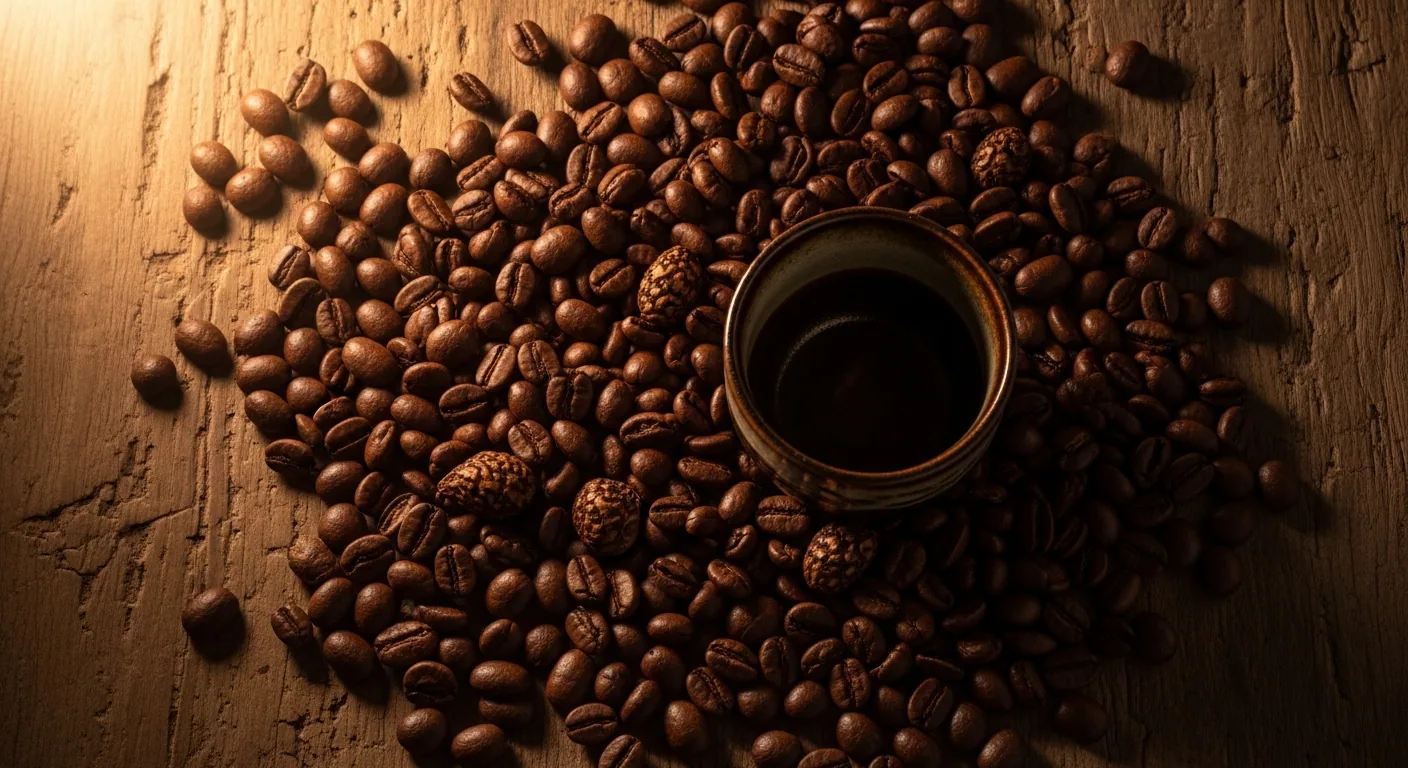
Peaberry is not coffee for casual mornings. It’s coffee for tasting notes and revelation. Wine-like acidity. Berry brightness. Honey sweetness. Complexity that unfolds across the cooling cup. This is what happens when nature creates a single exceptional bean and a palm civet perfects it.