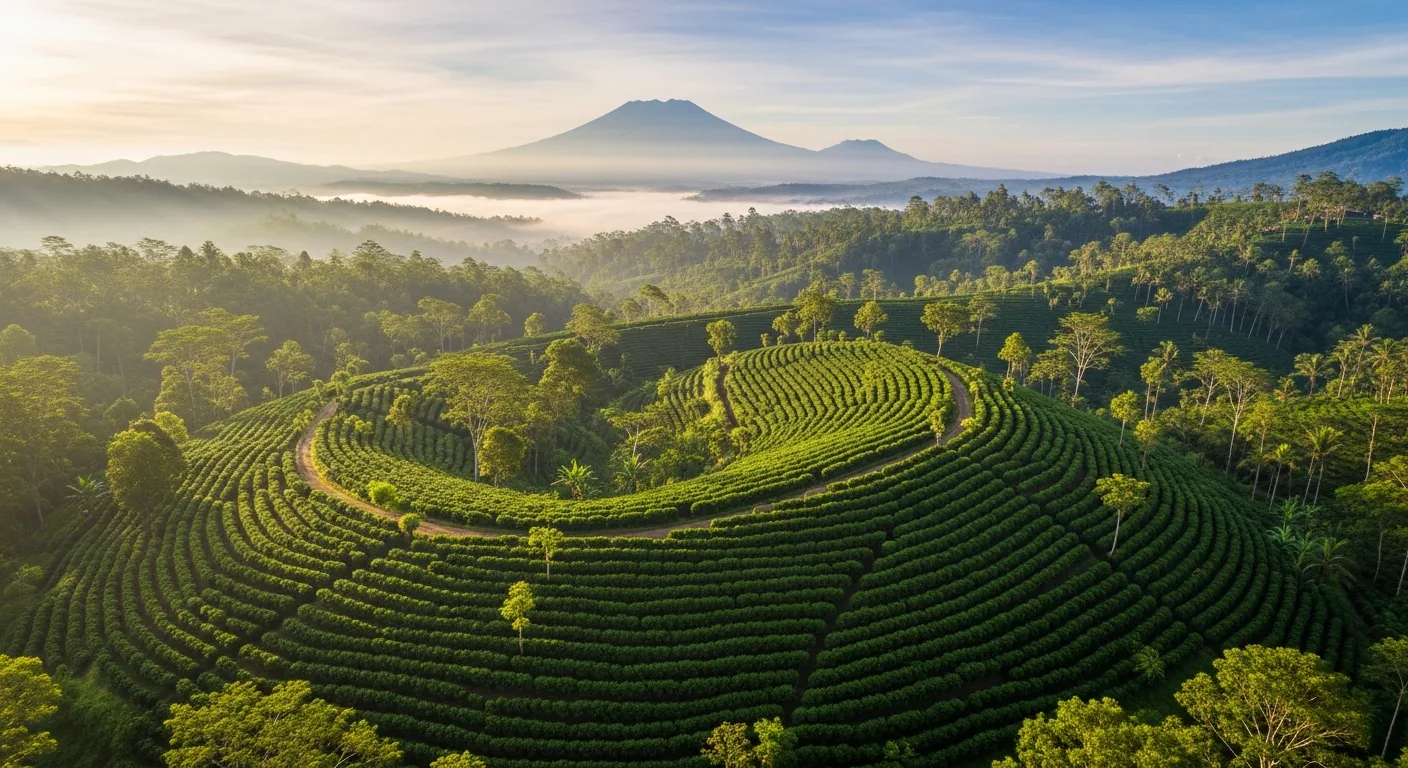
Walk through pristine highlands, witness the world's rarest coffee being made, and taste it fresh from the source.
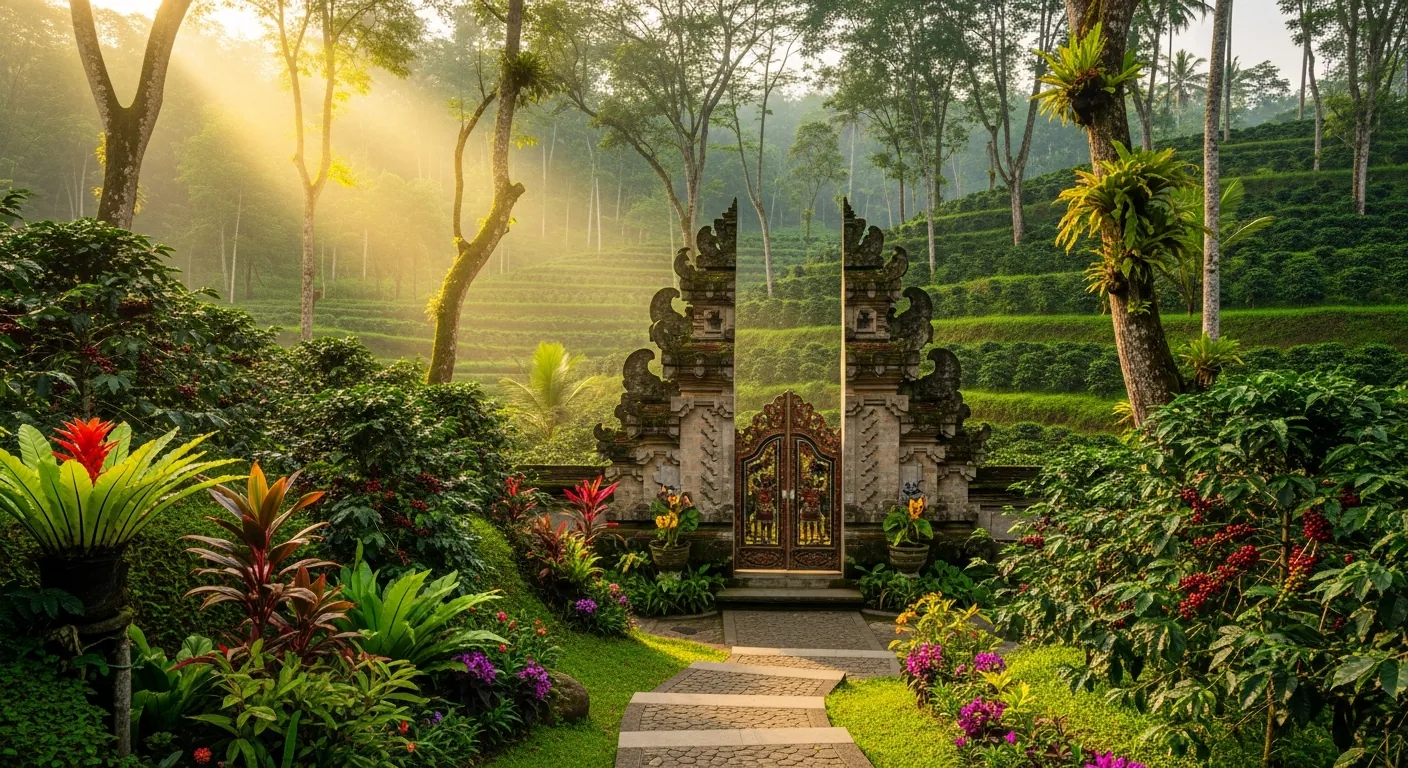
Explore Ubud's legendary coffee terraces. Visit working plantations, learn traditional processing, taste 7+ varieties including premium Kopi Luwak.
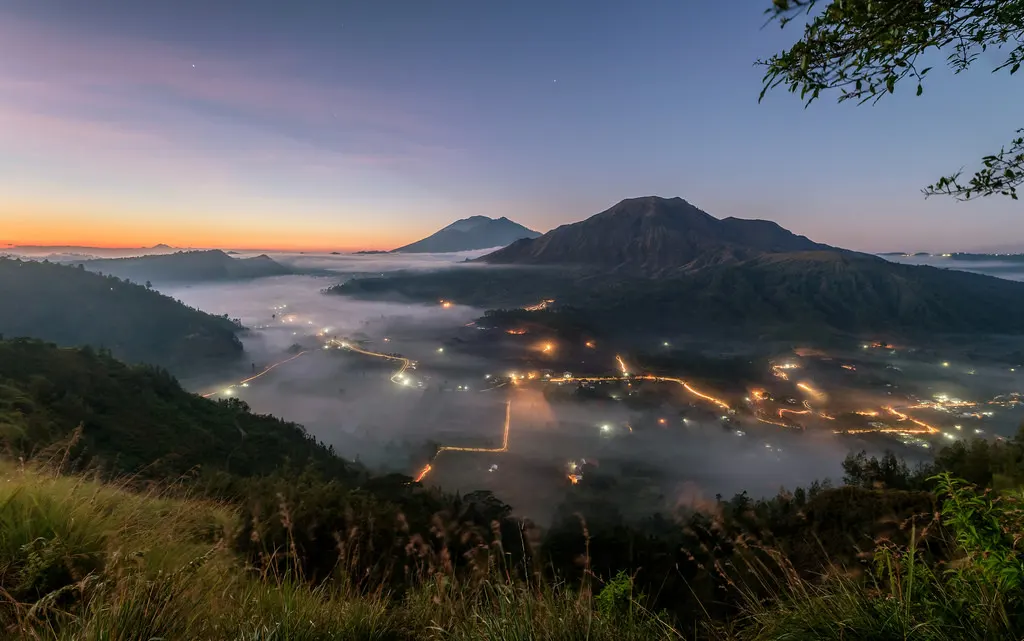
Journey to volcanic Kintamani highlands — the origin of Bali's finest beans.
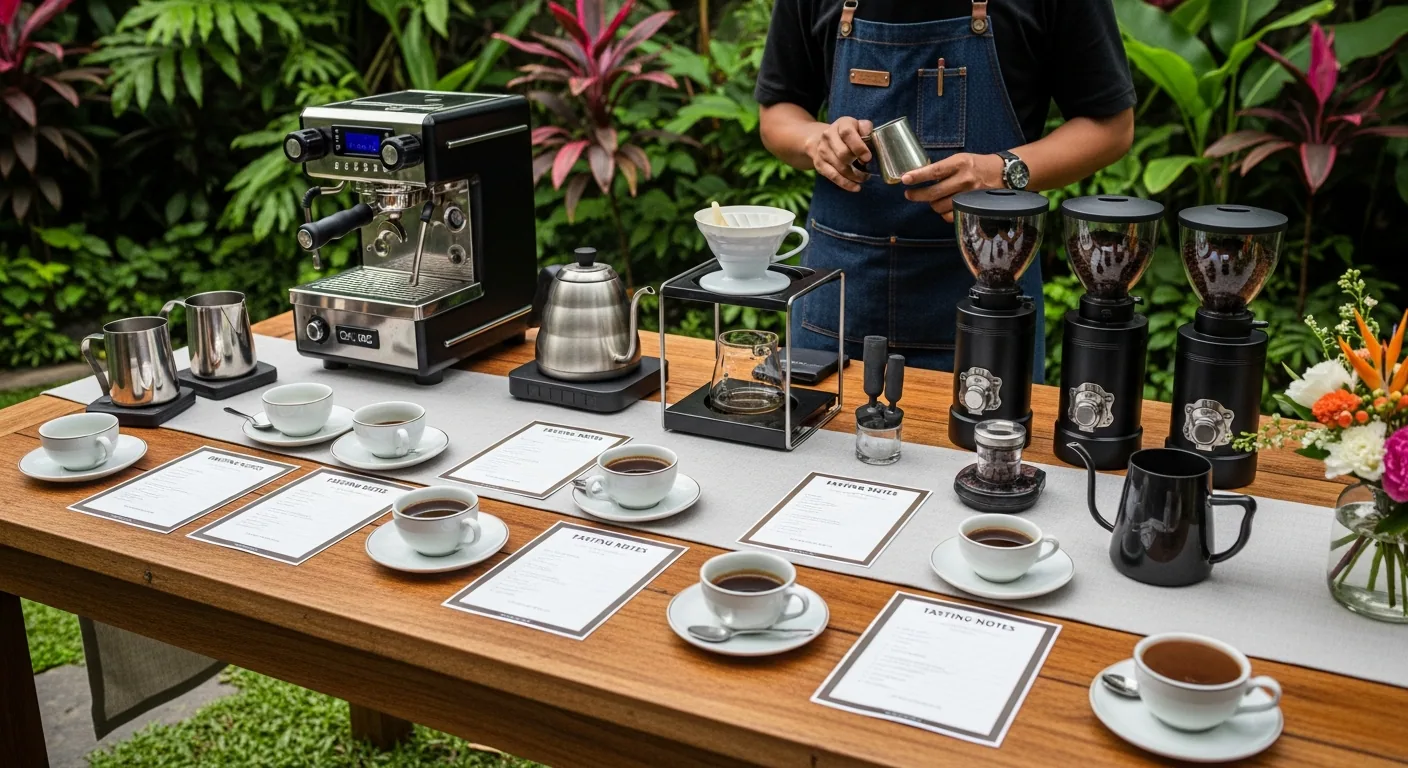
Professional SCA-style cupping session led by certified Q-graders.
A morning walk through wild plantations where civets roam freely among the coffee cherries.
Meet the civet ecosystem and see the natural habitat behind the world's rarest coffee.
Watch the traditional roasting process, hand-managed by our heritage farming families.
An exclusive tasting session featuring freshly brewed single-origin preparations.
Learn directly from expert farmers, taste freshly brewed single-origin preparations, and understand why Kopi Luwak commands premium pricing worldwide. Wild civets select only the ripest, sweetest coffee cherries, and their digestive enzymes ferment the bean, creating flavor compounds impossible to achieve through conventional processing.
Farm-to-cup education is included in every tour, along with all transportation to and from your Ubud hotel.
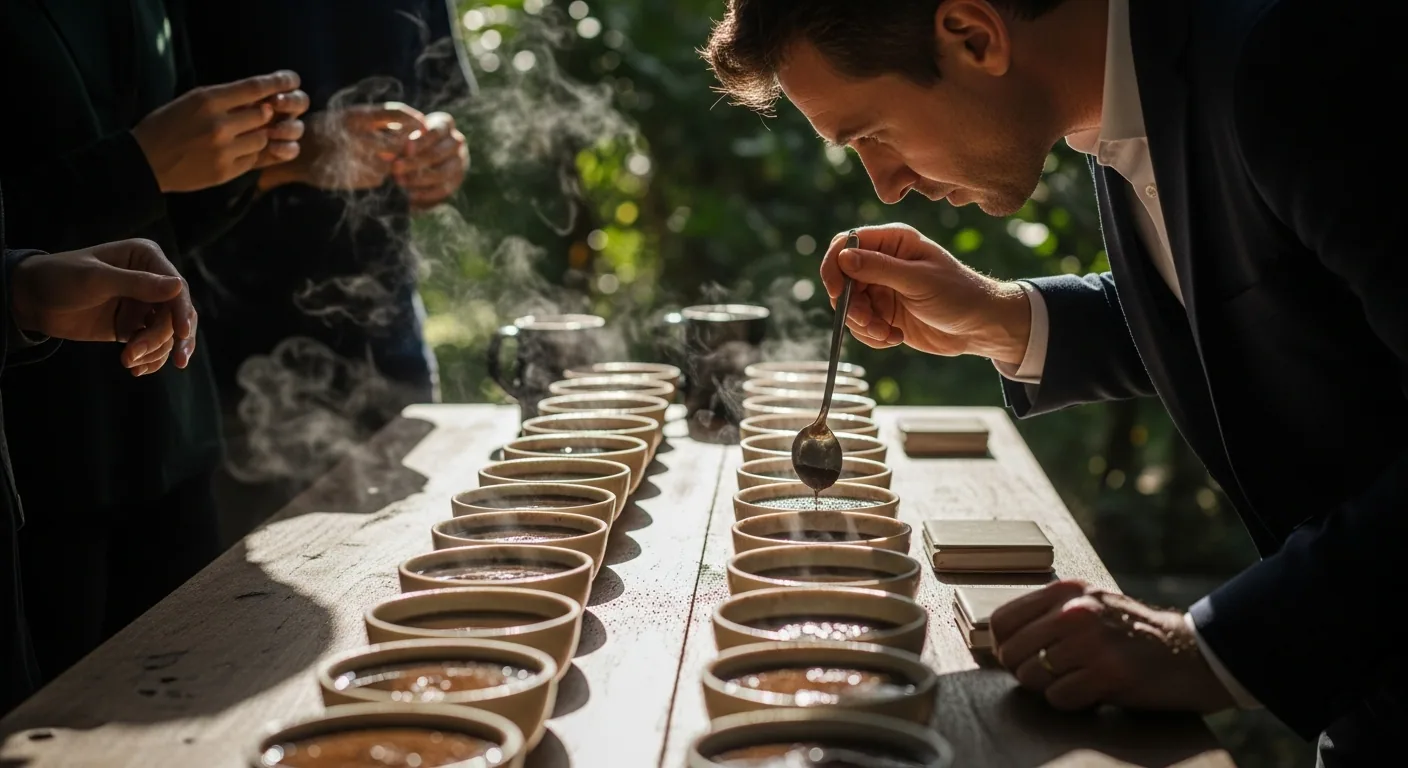
Coffee plantation in Ubud, Bali, Indonesia
Approximately 45 minutes from central Ubud, about 90 minutes from Ngurah Rai International Airport
Complimentary pick-up from any Ubud hotel for premium and VIP tour packages
Open Daily, 8:00 AM – 6:00 PM WITA. Walk-in visitors welcome; private tours by appointment
Extend your Kopi Luwak journey with exclusive Bali luxury partnerships — yacht cruises, premium transport, and cultural immersion complementing your coffee plantation adventure.
Yes — our tours include guided excursions into areas where wild civets are known to roam, providing opportunities for respectful wild civet sightings from a distance, without disturbing them.
Visitors from many countries can enter Bali without a visa for short stays, typically up to 30 days. It's always wise to check current visa requirements with official government sources before planning your trip.
The best season is typically the dry season, from April to October, when weather conditions are more favorable for outdoor plantation walks.

Choose your experience above, or send us your dates and we'll tailor a private itinerary.