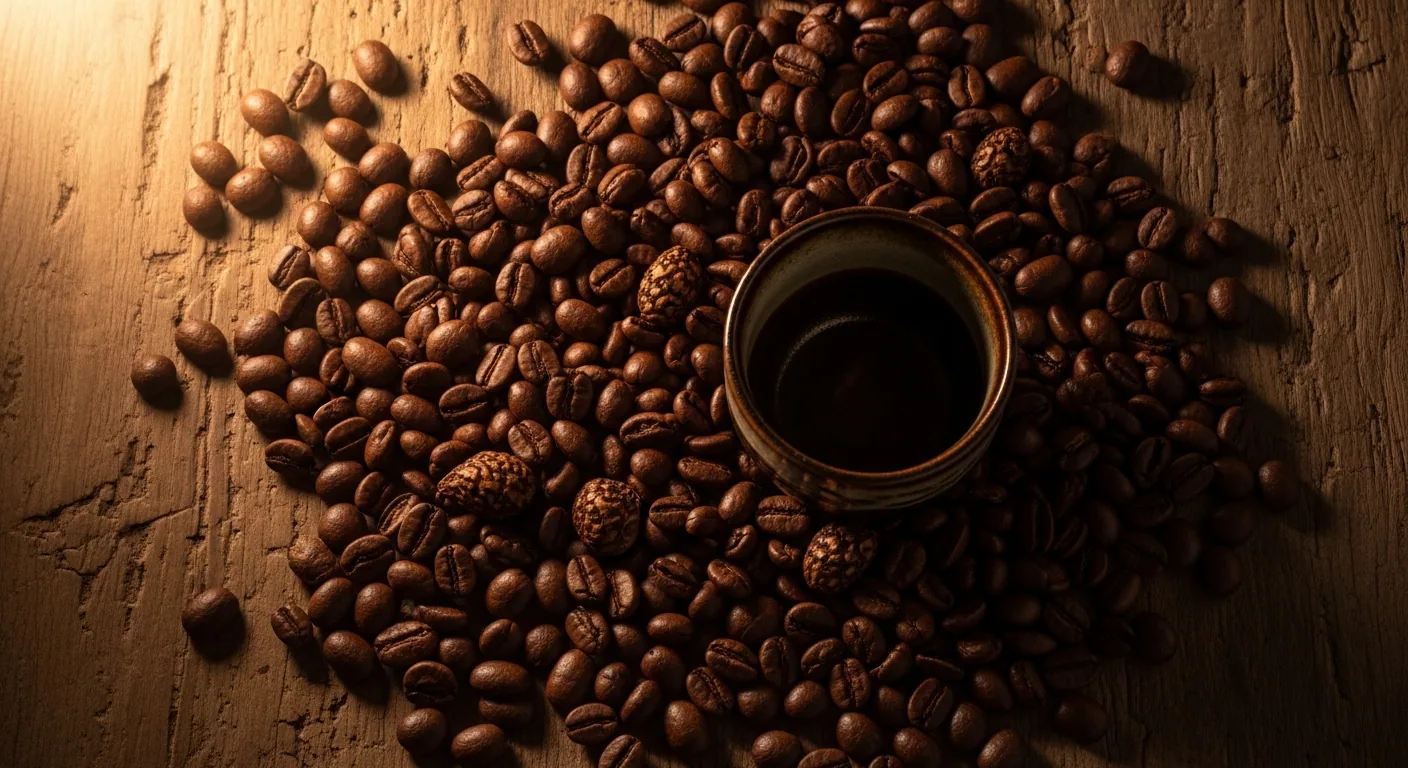
Green beans and roasted beans both work for export in 2027, and the right choice depends on your destination market, roasting capability, and shelf-life needs — not on which format is inherently “better.” Green (unroasted) beans travel further, last longer, and give the buyer control over roast profile; roasted beans arrive ready to brew but degrade faster and require tighter logistics.
Should a new export buyer choose green or roasted coffee?
Most first-time importers ask this question before placing an initial order, and the honest answer is that it depends on what happens after the shipment lands. If you or your buyer operates a roastery, green beans are almost always the better choice: they hold quality for months when stored correctly, ship in standard jute or GrainPro bags without special refrigeration, and let the roaster control the final flavor profile to match local taste preferences. If you are a cafe, hotel, or retailer without in-house roasting capacity, roasted beans or ground coffee arriving pre-finished removes that operational burden, at the cost of a shorter usable shelf life after roasting.
How does shelf life compare between the two formats?
| Format | Typical shelf life | Storage requirement |
|---|---|---|
| Green (unroasted) beans | 12 months or longer when stored correctly | Cool, dry, low humidity; GrainPro or vacuum-sealed bags |
| Roasted whole bean | 2 to 4 weeks for peak freshness, longer for usable quality | Sealed valve bags, away from light and heat |
| Ground / roasted powder | 1 to 2 weeks for peak freshness | Airtight packaging, refrigeration recommended for long transit |
This is why most container-scale export orders default to green beans, while roasted product is reserved for shorter shipping routes or air freight where transit time is measured in days rather than weeks. See our bulk green beans page for current lot availability.
What does this mean specifically for kopi luwak export?
Kopi luwak adds an extra layer of consideration because genuine supply is limited to begin with. Authentic kopi luwak comes from beans wild civets selectively eat in the forest, collected in small, seasonal batches — a production model that cannot scale the way farmed arabica or robusta can. A significant share of kopi luwak sold globally instead comes from caged-civet operations, a practice widely criticised by animal-welfare organisations for the confinement conditions involved. We do not claim any specific collector in our network is cruelty-free, and we do not publish welfare certification numbers here — what we do is require written sourcing documentation (wild-collected, semi-wild, or caged) from every supplier before a lot enters an export contract, and we pass that documentation to the buyer for independent verification. For buyers exporting kopi luwak under their own brand and making an ethical-sourcing claim to end consumers, this verification step needs to happen before the contract is signed. Read more at ethical kopi luwak.
Because of the limited supply, kopi luwak is almost always shipped green rather than roasted for export — this preserves the bean longest and lets the destination roaster finish it close to the point of sale, which also reduces the risk of flavor degradation across a long international shipping leg. See wild kopi luwak arabica for our current premium lot options.
How do freight and Incoterms affect the green-vs-roasted decision?
Freight economics also push most container-scale orders toward green beans. Roasted coffee loses volatile aromatics during transit, especially over longer ocean routes, which means an importer paying for premium roasted coffee may receive a product noticeably flatter than what was cupped at origin. Green beans avoid this degradation entirely since roasting has not yet released those compounds. Buyers working under FOB terms take on freight arrangement themselves, while CIF buyers let the exporter handle freight and insurance to the named destination port — either way, confirming which Incoterm applies changes who is responsible for the coffee’s condition at each stage of the journey, and this should be settled in writing before the first shipment, not assumed.
What about grading and documentation for export-grade beans?
Export-grade lots go through tighter sorting than domestic-grade product: defect removal, size grading, and moisture-content control to meet the receiving country’s import standards. Buyers should confirm required documentation early in the conversation — phytosanitary certificates, certificates of origin, and any destination-specific import permits vary by country, and building these into the timeline avoids delays at customs. Our team coordinates this documentation per shipment rather than issuing generic paperwork, since requirements differ meaningfully between, for example, the EU, the US, and Asian import markets.
What certification and traceability questions matter most to importers?
Beyond phytosanitary paperwork, many importers now ask for lot-level traceability — knowing which growing region, and ideally which farmer group or collector, a given batch came from. This is increasingly standard for specialty roasters building single-origin marketing around their beans, and it is essential for kopi luwak given the sourcing concerns already discussed. We maintain lot records tying each shipment back to its collection point, which buyers can request alongside their shipping documents. This traceability also matters for buyers subject to due-diligence requirements in their home market, where regulators or retail partners increasingly expect documented supply chains rather than generic country-of-origin labeling.
How should a buyer decide on order structure?
For a first order, we generally recommend a smaller green-bean sample shipment to confirm cupping quality and moisture specs, followed by a larger container order once the roaster or buyer has validated the profile against their own standards. Recurring buyers typically move to seasonal or annual offtake agreements once volume and quality expectations are established, which also improves pricing predictability compared to one-off spot purchases. For buyers who prefer to receive finished, roasted product under their own label rather than managing roasting logistics themselves, our private label service handles roasting, packaging, and branding on their behalf.
What roasting-location decisions do exporters need to make?
A related question buyers often raise is whether to roast at origin in Bali or roast after arrival in the destination market. Roasting at origin can be attractive for buyers without their own roasting equipment, but it locks in a roast profile and shortens the freshness window before the coffee even leaves the country. Roasting at destination costs more upfront in equipment or a local roasting partnership, but it lets the buyer adjust the profile to match their market and sell coffee that is genuinely fresh to their own customers rather than weeks old on arrival. Most established importers we work with roast at destination for exactly this reason, reserving origin roasting for smaller retail-ready orders such as gift sets or hotel amenity packs where convenience outweighs freshness concerns. See gift sets for an example of a format where origin-roasted product makes practical sense.
Talk to our export desk
Whether you need a green-bean sample for cupping approval or are ready to discuss a container-scale contract, our team can walk through the right format for your route and destination market. Reach us on WhatsApp at +62 811-3941-4563 or by email at [email protected].
Frequently Asked Questions
Kopi Luwak is the world's rarest coffee, produced from beans naturally processed by wild Asian palm civets in Indonesian tropical forests. Bali, Sumatra, and Java are the primary production regions, with Balinese Kopi Luwak considered among the finest.
For coffee connoisseurs, wild Kopi Luwak offers a genuinely unique tasting experience that cannot be replicated by any other processing method. The combination of natural civet selection, enzymatic fermentation, and extreme rarity creates exceptional value for those seeking the world's finest coffee.
Purchase from reputable producers who offer full traceability, certificates of authenticity, and transparent sourcing information. Bali Kopi Luwak ships worldwide with complete documentation. Browse our shop for premium wild Kopi Luwak in various formats.
Yes, Bali Kopi Luwak offers guided plantation tours in Ubud and Kintamani with professional cupping sessions. Tours include hotel pickup, plantation walk, processing demonstration, tasting, and optional purchases at origin prices.
For the best results, use a pour-over or French press method with freshly ground beans, water at 92-96°C, and a 1:15 coffee-to-water ratio. Medium grind produces the most balanced extraction of Kopi Luwak's delicate chocolate-caramel flavor notes.