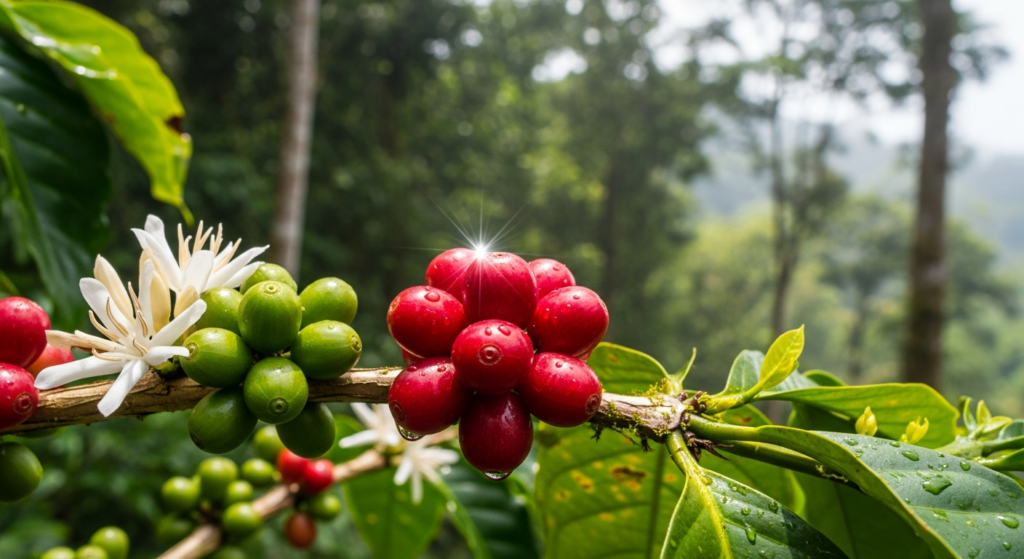
Ethical Kopi Luwak: Our Commitment to Responsible Coffee and Civet Welfare
Premium Coffee with a Conscience—Supporting Wildlife Conservation and Fair Practices
Why Ethical Sourcing Matters
Kopi Luwak’s extraordinary value has created a complex global supply chain with significant ethical implications. The explosive demand for this premium coffee—combined with its high price point—has unfortunately incentivized questionable practices in some regions. Our commitment to ethical sourcing reflects our belief that exceptional coffee must be accompanied by exceptional values.
This commitment sometimes means higher costs and limited supply. We accept these constraints because they reflect our core values: the belief that coffee lovers deserve transparency, that civets deserve respect, and that Bali’s forests deserve protection.
Our Wild-Only Policy
We source Kopi Luwak exclusively from wild civets in their natural habitats. This approach differs significantly from commercial “civet farms” operating in various regions. Understanding this distinction is crucial for consumers committed to ethical coffee.
Wild-Harvested Kopi Luwak
What it is: Coffee cherries consumed by wild civets living freely in plantation and forest environments. Beans are collected from forest floors after natural excretion.
- Civets maintain complete freedom and natural behaviors
- No confinement, no forced feeding, no artificial conditions
- Civets consume only naturally ripened cherries they select
- Population remains in equilibrium with forest ecosystem
- Higher quality beans due to selective civet consumption
- Superior flavor from natural fermentation and extended processing
- Significantly higher cost reflecting ethical standards
Farm-Confined Civets (What We Reject)
What it is: Captive civets kept in small enclosures and fed coffee cherries or processed beans to produce Kopi Luwak.
- Civets confined to small cages or enclosures
- Unnatural diet of processed coffee rather than naturally ripened cherries
- Severe psychological stress and behavioral abnormalities
- Health issues from improper nutrition and captivity conditions
- Inferior bean quality due to forced consumption
- Environmental disruption from unsustainable harvesting practices
- Lower prices reflecting reduced animal welfare standards
Civet Welfare and Conservation
Asian palm civets are remarkable creatures deserving respect and protection. Our ethical sourcing practices actively support civet welfare and contribute to long-term conservation efforts.
Natural Habitat Preservation
Supporting wild-harvest Kopi Luwak incentivizes forest conservation, creating economic value for protecting civet habitats
Population Health Monitoring
Our partner farms conduct regular ecological surveys ensuring wild civet populations remain healthy and stable
Sustainable Coexistence
Wild civets maintain natural behaviors, breeding patterns, and ecological roles in their forest environments
Scientific Research Support
We contribute to research initiatives studying civet behavior, population dynamics, and conservation strategies
Understanding the Asian Palm Civet
Before consuming Kopi Luwak, understanding the animal whose digestive system creates this coffee enriches the experience. Asian palm civets (Paradoxurus hermaphroditus) are small, nocturnal mammals native to Southeast Asia. They’re solitary creatures weighing 1.5-2.75 kg with distinctive dark coloring, rounded ears, and white spots around their eyes.
Diet and Behavior: Wild civets are omnivorous, consuming fruits, insects, small animals, and vegetation. They’re excellent climbers with semi-retractable claws, spending most nights foraging in trees and on the ground. They’re territorial animals that establish home ranges and maintain complex social hierarchies.
Ecological Role: Civets are important seed dispersers, helping distribute forest plants through their diet and excretion. They also control insect populations, contributing to ecosystem balance. Their presence indicates forest health.
Conservation Status: While not currently threatened, habitat loss in some regions poses increasing risks. Supporting ethical Kopi Luwak directly funds habitat conservation ensuring civet populations thrive.
Verification and Transparency
Skepticism about Kopi Luwak authenticity is justified. The global market includes numerous fraudulent products, misleading claims, and deliberate misrepresentations. We’ve implemented rigorous verification systems ensuring complete transparency.
Farm Visit Documentation
We provide detailed documentation, photographs, and video evidence from our partner farms. Customers are welcome to visit facilities, meet producers, and observe sourcing practices firsthand. This transparency proves our commitment to authentic, ethical sourcing.
Third-Party Testing and Certification
All batches undergo independent laboratory testing verifying bean authenticity, quality standards, and purity. We maintain certifications from recognized organizations specializing in coffee authentication and ethical sourcing verification.
Batch Documentation
Each product batch includes detailed information: harvest date, specific farm location, collection method, processing details, and roast profile. Customers can trace their coffee directly to the specific animals and forests that produced it.
Chain of Custody Records
We maintain comprehensive documentation tracking beans from initial collection through final roasting, ensuring no adulteration or substitution occurs anywhere in the supply chain.
How to Identify Authentic Ethical Kopi Luwak
Look for these indicators when purchasing Kopi Luwak:
- Detailed farm information and locations (not vague “Indonesian highlands”)
- Pricing at $150-400+ per pound (suspiciously cheap is likely fraudulent)
- Transparent sourcing documentation and farm transparency
- Third-party certifications from recognized organizations
- Willingness to provide batch numbers, test results, and traceability
- Information distinguishing wild-harvested vs. farm-produced beans
- Producer willingness to discuss conservation practices and civet welfare
- Clear explanation of processing methods and fermentation timeframes
- Consistent flavor profiles indicating authentic beans (not blended products)
- Contact information for direct producer communication
Ethical Comparison: Understanding Your Coffee Choice
This comparison illustrates the significant differences between ethical and unethical Kopi Luwak sourcing:
| Criterion | Ethical Wild-Harvested | Farm-Confined (Unethical) |
|---|---|---|
| Civet Living Conditions | Complete freedom in natural forest habitat | Small cages or enclosures; severe confinement |
| Diet and Nutrition | Naturally selected ripe coffee cherries; diverse forest diet | Force-fed processed beans; nutritionally inadequate |
| Animal Welfare | Natural behaviors; psychological well-being | Behavioral abnormalities; psychological distress |
| Environmental Impact | Incentivizes forest conservation and habitat protection | Contributes to habitat destruction and ecosystem damage |
| Bean Quality | Superior; selective consumption and natural fermentation | Inferior; forced consumption and compromised processing |
| Flavor Profile | Complex, smooth, authentic characteristics | Inconsistent; often blended with inferior coffees |
| Price Point | $150-400+ per pound (reflects ethical standards) | $50-100 per pound (suspiciously inexpensive) |
| Sourcing Transparency | Complete documentation; farm visits encouraged | Vague sourcing; restricted farm access |
| Certifications | Third-party ethical sourcing certifications | Often lacks legitimate certifications |
| Consumer Confidence | Purchase supports animal welfare and conservation | Purchase contributes to animal suffering and exploitation |
Our Ethical Sourcing Commitments
These commitments guide every purchasing decision and partnership we establish:
- 100% wild-harvested sourcing; zero purchases from civet farms
- Complete transparency in sourcing, processing, and distribution
- Third-party certifications verifying authenticity and ethical standards
- Direct partnerships with small-scale producers, ensuring fair compensation
- Support for conservation initiatives protecting civet habitats
- Regular farm audits and animal welfare inspections
- Educational initiatives promoting responsible consumption
- Traceability from collection through roasting for every batch
- Premium pricing reflecting fair labor and conservation contributions
- Commitment to continuous improvement in sourcing practices
Conservation Partnership and Impact
Every Kopi Luwak purchase directly supports conservation initiatives protecting Bali’s forests and wildlife.
Where Your Money Goes
10% of profits: Donated to conservation organizations protecting civet habitats and funding research initiatives
Fair producer compensation: Direct producers receive 40-50% of retail price, enabling sustainable livelihoods without requiring additional commercial income
Infrastructure investment: Supporting proper drying facilities, storage infrastructure, and quality control equipment at origin
Educational programs: Funding local education initiatives promoting conservation awareness and sustainable practices
Measurable Conservation Outcomes
Through our ethical sourcing partnerships, we’ve contributed to:
- Protection of 2,000+ hectares of forest habitat
- Monitoring programs tracking 500+ wild civet individuals
- Educational initiatives reaching 1,000+ local community members
- Research projects studying civet behavior and population dynamics
- Infrastructure development supporting sustainable livelihoods for 50+ farming families
Ethical Coffee Doesn’t Compromise Quality
Some consumers assume ethical sourcing requires accepting lower quality. This is fundamentally incorrect. In fact, ethical wild-harvested Kopi Luwak is objectively superior in quality to farm-produced alternatives.
Wild civets possess an extraordinary palate, selecting only the ripest, sweetest cherries. This natural selection creates a superior starting product. Combined with extended natural fermentation and careful processing, wild-harvested beans develop more complex flavors, smoother profiles, and greater consistency.
Choosing ethical Kopi Luwak means choosing the highest quality while supporting animal welfare and conservation. These values aren’t in conflict—they’re completely aligned.
Your Role in Ethical Coffee Consumption
Purchasing decisions carry profound implications for animals and ecosystems. By choosing ethical Kopi Luwak, you’re:
Protecting Wild Civets
Supporting wild-harvest sourcing creates economic incentives for habitat protection and animal welfare
Preserving Forests
Your coffee purchase directly funds forest conservation protecting biodiversity
Supporting Communities
Fair compensation enables sustainable livelihoods for local farming families
Advancing Science
Your purchase supports research improving our understanding of civet ecology and conservation needs
Experience Premium Coffee with a Conscience
Choose ethical Kopi Luwak and support wildlife conservation with every sip.