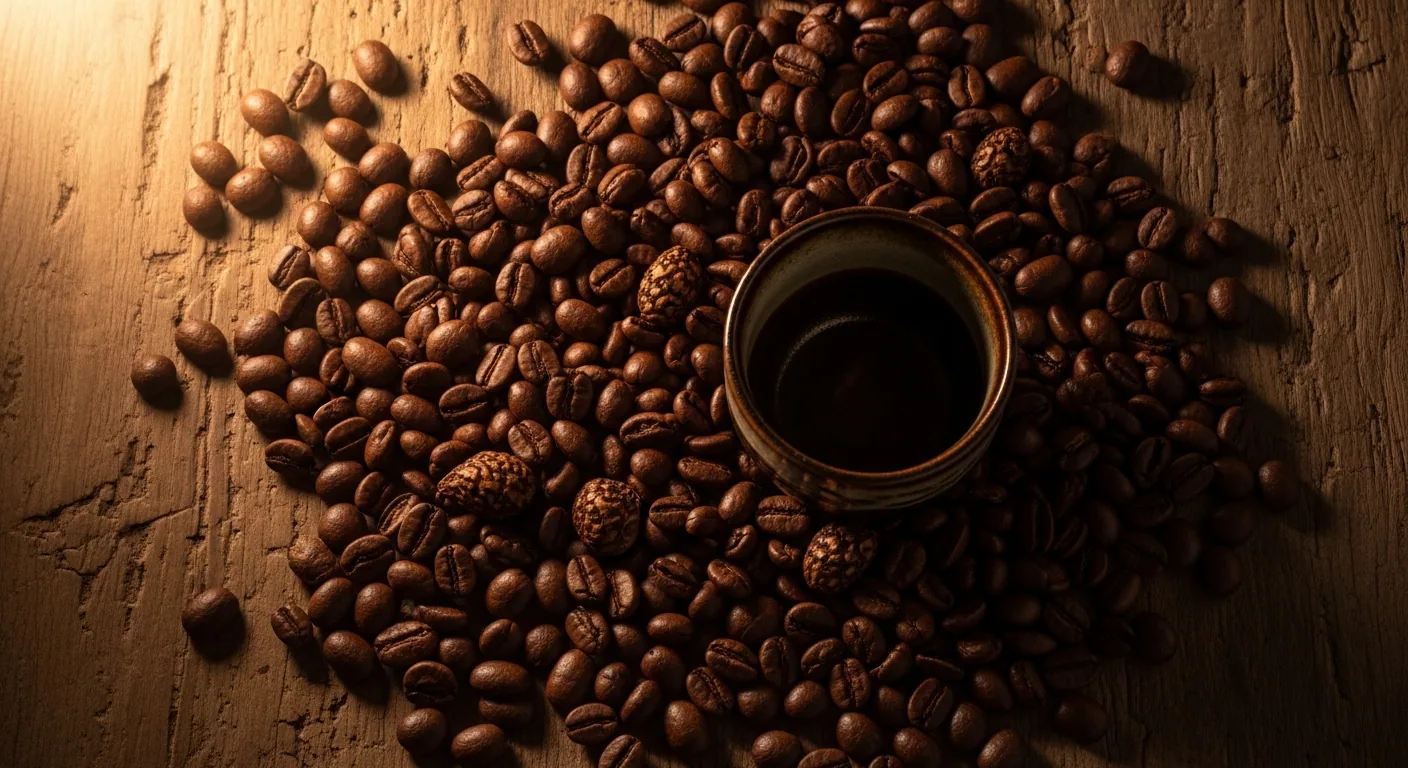
Ethical Kopi Luwak comes exclusively from wild, free-roaming Asian palm civets that naturally select and consume coffee cherries in their forest habitat. The key indicators of authentic wild Kopi Luwak are transparent sourcing with verifiable origin documentation, premium pricing that reflects genuine rarity, and producers who welcome plantation visits and independent verification.
The Ethical Crisis in Kopi Luwak Production
The global demand for Kopi Luwak has created a troubling industry dynamic. As prices soared, unscrupulous operators began capturing wild civets and confining them in small cages, force-feeding them coffee cherries to maximize production. These cage-farmed operations — often disguised as “plantations” for tourist visits — cause significant animal suffering while producing an inferior product.
Investigations by animal welfare organizations have documented alarming conditions at cage-farming operations across Southeast Asia: stressed animals exhibiting repetitive behaviors, untreated injuries, inadequate diets, and cramped living conditions. Beyond the ethical dimensions, the coffee produced from stressed, captive animals is measurably different in chemical composition and inferior in taste to wild-sourced beans.
As an ethical producer committed to wild-sourced Kopi Luwak, we believe that the industry’s long-term viability depends on eliminating cage farming and supporting sustainable wild-harvesting practices that benefit both civets and local communities.
How to Identify Wild vs. Cage-Farmed Kopi Luwak
Price is the first indicator. Authentic wild Kopi Luwak cannot be cheap. The labor-intensive forest collection, extreme rarity (a few hundred kilograms globally), and quality control process mean that genuine wild Kopi Luwak commands premium prices. If you find “Kopi Luwak” priced close to regular specialty coffee, it is almost certainly not wild-sourced — and may not be genuine Kopi Luwak at all.
Transparency is essential. Legitimate wild Kopi Luwak producers can tell you exactly where their beans come from — specific regions, forests, and collection areas. They can describe their harvesting practices in detail, introduce you to their collection teams, and explain their quality control process. Vagueness about sourcing is a red flag.
Certifications and documentation matter. While no universal Kopi Luwak certification exists, reputable producers provide certificates of authenticity, origin documentation, independent quality reports, and batch traceability. Our Wild Kopi Luwak Arabica includes full documentation with every purchase.
Willingness to be visited. Perhaps the strongest indicator of ethical practices is a producer’s openness to visits. If a supplier invites buyers to see their operations firsthand, it’s a strong signal of legitimacy. Our Ubud Coffee Tour and Kintamani Coffee Tour are designed partly to provide this transparency — you can see wild civet habitat, meet our collection team, and observe the processing firsthand.
Red Flags to Watch For
Be cautious of any seller who shows you civets in cages as part of a “tour experience.” Legitimate operations never need to cage civets because wild collection doesn’t require captive animals. Tourist-oriented plantations that prominently feature caged civets as attractions are almost always cage-farming operations, regardless of what they claim about their sourcing.
Be wary of claims about “semi-wild” or “garden civet” sourcing. While these terms sometimes describe legitimate practices where civets voluntarily visit coffee gardens, they can also euphemistically describe operations that attract and confine wild animals. Always ask for specific details about animal welfare practices.
Large-scale availability is also suspicious. If a producer claims to have unlimited quantities available year-round, the math doesn’t work for wild-sourced Kopi Luwak. Genuine wild production is seasonal, limited, and subject to natural variation in civet behavior and foraging patterns.
Our Commitment to Ethical Sourcing
At Bali Kopi Luwak, every bean we sell comes from wild civets foraging freely in Bali’s highland forests. Our collection team consists of experienced local foragers who know civet territory intimately — they track natural pathways, identify fresh droppings, and collect beans without any interaction with the animals themselves.
We actively support civet habitat conservation in Bali through a portion of every sale. We work with local communities to protect forest corridors, fund wildlife research, and create economic incentives for habitat preservation rather than destruction. We believe that ethical Kopi Luwak production should benefit the ecosystems and communities where it originates.
For wholesale buyers and private label partners, we provide complete supply chain documentation including origin certificates, ethical sourcing statements, and the ability to arrange verification visits to our collection areas in Bali.
What Consumers Can Do
Consumer awareness is the most powerful force for change in the Kopi Luwak industry. By choosing to buy only from verified wild-sourcing producers, you support ethical practices and reduce demand for cage-farmed products. Ask questions before you buy: Where exactly do your beans come from? Can I see documentation? Do you welcome visits?
If visiting Bali, experience Kopi Luwak through a reputable tour operator rather than random roadside plantations. Our guided Private VIP Coffee Tour shows you the entire ethical production chain from forest to cup, providing confidence in the product’s authenticity and the practices behind it.
Support Ethical Coffee
Choose 100% wild-sourced, ethically harvested Kopi Luwak from Bali’s natural forests.
Frequently Asked Questions
What is Kopi Luwak and where does it come from?
Kopi Luwak is the world's rarest coffee, produced from beans naturally processed by wild Asian palm civets in Indonesian tropical forests. Bali, Sumatra, and Java are the primary production regions, with Balinese Kopi Luwak considered among the finest.
Is Kopi Luwak worth the price?
For coffee connoisseurs, wild Kopi Luwak offers a genuinely unique tasting experience that cannot be replicated by any other processing method. The combination of natural civet selection, enzymatic fermentation, and extreme rarity creates exceptional value for those seeking the world's finest coffee.
How can I buy authentic Kopi Luwak online?
Purchase from reputable producers who offer full traceability, certificates of authenticity, and transparent sourcing information. Bali Kopi Luwak ships worldwide with complete documentation. Browse our shop for premium wild Kopi Luwak in various formats.
Can I visit a Kopi Luwak plantation in Bali?
Yes, Bali Kopi Luwak offers guided plantation tours in Ubud and Kintamani with professional cupping sessions. Tours include hotel pickup, plantation walk, processing demonstration, tasting, and optional purchases at origin prices.
What is the best way to brew Kopi Luwak at home?
For the best results, use a pour-over or French press method with freshly ground beans, water at 92-96°C, and a 1:15 coffee-to-water ratio. Medium grind produces the most balanced extraction of Kopi Luwak's delicate chocolate-caramel flavor notes.