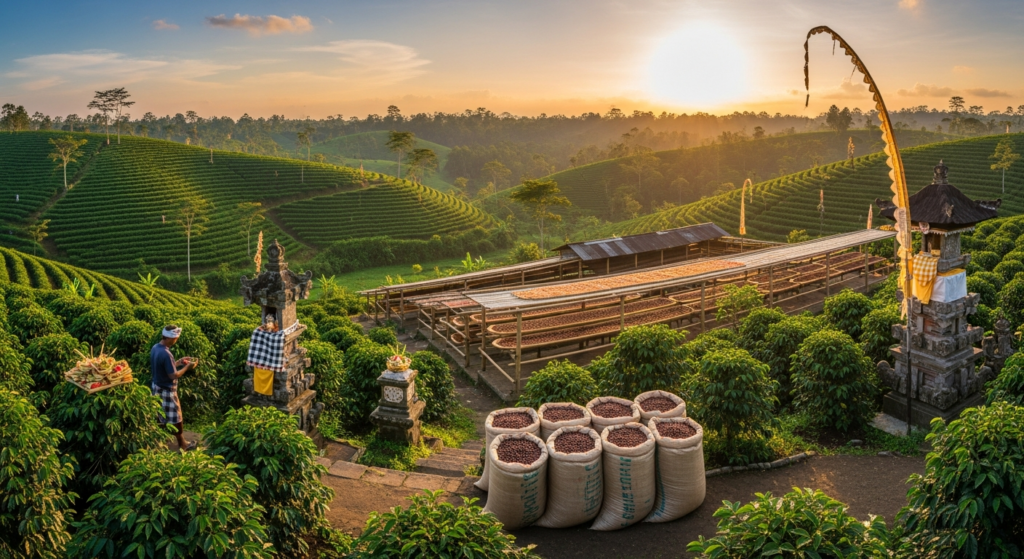
Kopi Luwak Bali: The Complete Guide to Bali’s Most Exclusive Coffee
Discover the world’s most legendary coffee from the pristine highlands of Bali
What is Kopi Luwak?
Kopi Luwak, also known as Civet Coffee, represents one of the world’s most exclusive and sought-after coffee varieties. This premium coffee originates from coffee beans that have been naturally processed through the digestive system of the Asian palm civet (Paradoxurus hermaphroditus), a small nocturnal mammal native to Southeast Asia.
The name “Kopi Luwak” combines two Indonesian words: “Kopi” (coffee) and “Luwak” (palm civet). The unique processing method imparts distinctive flavor characteristics that coffee enthusiasts worldwide find extraordinary—creating a coffee that commands premium prices and is considered a luxury item in the global coffee market.
What makes Kopi Luwak exceptional is the natural fermentation that occurs as coffee cherries pass through the civet’s digestive tract. During this 24-36 hour process, unique enzymes and bacteria break down proteins and eliminate bitter compounds, resulting in a coffee with remarkably smooth, complex flavors without the typical acidity or bitterness associated with conventional coffee.
The History of Kopi Luwak in Bali
The story of Kopi Luwak in Bali dates back centuries, long before the coffee became a global luxury commodity. When Dutch colonial planters introduced arabica and robusta coffee plants to Indonesia in the 17th century, they established vast plantations across Java, Sumatra, and Bali.
The Coffee Production Process
Understanding Kopi Luwak’s journey from cherry to cup reveals why this coffee possesses such unique characteristics and commands exceptional prices in the global market.
Step 1: Cherry Selection
Asian palm civets possess an extraordinary palate. They naturally seek out the ripest, sweetest coffee cherries available, selecting ripe red cherries with precision that would impress any professional coffee sorter. This selective harvesting means only the finest cherries enter the processing journey.
Step 2: Natural Fermentation
As coffee cherries travel through the civet’s digestive system, remarkable chemical transformations occur. Enzymes break down the fruit pulp and mucilage while simultaneously reducing chlorogenic acid (responsible for coffee’s typical bitterness) by up to 60%. This enzymatic action creates the foundation for Kopi Luwak’s signature smoothness and reduced acidity.
Step 3: Natural Excretion
After 24-36 hours of digestion, the processed beans are naturally excreted. The bean’s protective parchment layer remains intact, preserving the beans while allowing continued fermentation. This extended fermentation period develops deeper, more complex flavor notes.
Step 4: Collection and Cleaning
Professional collectors gather the beans from forest floors and civet habitats. Thorough washing removes all external material, and beans are inspected for quality. At this stage, defective beans are removed to ensure only premium beans proceed.
Step 5: Drying
Beans are spread on large drying beds in the tropical Balinese sun. This slow, natural drying process takes 3-4 weeks, allowing beans to reach optimal moisture content (11-12%) without compromising delicate flavors developed during fermentation.
Step 6: Hulling and Sorting
Once fully dried, the parchment layer is removed through mechanical hulling. Beans are then meticulously sorted by size, color, and density. Only Grade A beans—uniform in appearance and free from defects—proceed to roasting.
Step 7: Roasting
Master roasters apply their expertise to bring out Kopi Luwak’s unique flavor profile. Different roast levels—from light to dark—reveal different characteristics. Light roasts emphasize floral and fruit notes, while darker roasts bring forth chocolatey and earthy undertones.
Step 8: Grinding and Packaging
Beans are ground fresh to order, preserving aromatic compounds and volatile oils that degrade quickly after grinding. Premium packaging—often in vacuum-sealed or nitrogen-flushed containers—maintains freshness throughout storage and transportation.
Bali’s Coffee Regions and Terroir
Bali’s varied topography, from coastal lowlands to volcanic highlands, creates distinct microclimates that influence Kopi Luwak’s flavor profiles. Each region offers unique characteristics based on elevation, soil composition, humidity, and temperature variations.
Kintamani Region
Elevation: 1,200-1,600 meters
The volcanic slopes of Mount Batur create mineral-rich soil that imparts distinctive characteristics to Kopi Luwak grown here. Kintamani coffee, registered as a Geographic Indication (GI) product, is renowned for its balanced acidity, full body, and notes of spice and earth. The cool highland climate extends the ripening period, developing more complex flavors.
Ubud Region
Elevation: 900-1,100 meters
Ubud’s lush plantations benefit from consistent moisture and afternoon cloud cover. Coffee grown here develops smoother body with subtle fruit notes and reduced acidity. The region’s cultural richness and proximity to tourist infrastructure make it an ideal destination for coffee tourism experiences.
Bedugul Region
Elevation: 1,300-1,500 meters
Located near Lake Beratan, Bedugul’s cool, misty climate produces coffee with exceptional clarity and brightness. Beans from this region often display floral aromatics and delicate fruit undertones, appealing to those preferring lighter, more nuanced flavor profiles.
Munduk Region
Elevation: 800-1,200 meters
Western Bali’s Munduk region remains less commercialized, producing small-batch Kopi Luwak with distinctive character. The region’s biodiversity supports healthy civet populations, and coffee here often displays bold, full-bodied characteristics with hints of chocolate and nuts.
Flavor Profile and Tasting Notes
Authentic Bali Kopi Luwak offers a remarkable sensory experience that distinguishes it from conventional coffees. The unique processing method creates flavor characteristics that coffee professionals consistently identify:
Smoothness
Enzymatic breakdown of proteins eliminates sharp, bitter notes, creating exceptionally smooth mouthfeel
Low Acidity
Reduced chlorogenic acid content produces coffee with gentle acidity suitable for sensitive palates
Complexity
Extended fermentation develops multiple flavor layers revealing themselves throughout the tasting experience
Aromatic Richness
Deep, enticing aromas with notes of earth, spice, cocoa, and subtle fruit undertones
Full Body
Rich, velvety texture coating the palate, creating lingering aftertaste
Subtle Sweetness
Natural sweetness without bitterness, appealing to diverse palates and preferences
Typical tasting notes include dark chocolate, earth, spice, leather, wood, and sometimes subtle fruit hints of berries or stone fruits. The specific profile varies by region and roast level, allowing coffee enthusiasts to explore diverse expressions of Bali Kopi Luwak.
Sourcing and Authenticity Concerns
The global demand for Kopi Luwak has unfortunately led to concerning practices in some regions. Understanding sourcing methods ensures you purchase authentic, ethically-produced coffee while supporting responsible producers.
Wild-Harvested vs. Farmed: The most authentic Kopi Luwak comes from wild civets naturally consuming coffee cherries in plantation environments. Some regions employ civet farms where confined animals are fed coffee cherries—a practice we actively avoid. Wild-harvested beans offer superior quality and ethical assurance.
Verification and Certification: Reputable Bali Kopi Luwak producers maintain transparent sourcing chains, offer farm visits, and obtain certifications from independent organizations verifying ethical practices and bean authenticity.
Price Indicators: Authentic Kopi Luwak costs significantly more than conventional coffee (typically $150-400 per pound). Suspiciously cheap Kopi Luwak likely involves blending, farms animals, or outright fraud.
Coffee Tourism Experiences in Bali
Bali has emerged as the premier destination for coffee tourism, offering visitors immersive experiences that combine education, culture, and tasting. From plantation tours to luxury yacht experiences, numerous options cater to coffee enthusiasts of all backgrounds.
Visitors can spend time in the highlands exploring coffee plantations, participating in coffee ceremonies, learning traditional processing methods, and meeting civet populations in their natural habitats. Many tours include hands-on experiences like cherry picking and bean roasting, creating memorable connections with this extraordinary coffee.
For those seeking luxury experiences, yacht-based coffee cruises combine sailing the stunning Bali coastline with coffee tastings and cultural experiences. Multi-day liveaboard experiences merge dragon trekking with coffee plantation visits, creating extraordinary adventure combinations.
Health Benefits and Coffee Science
Beyond its exceptional flavor, Kopi Luwak offers potential health benefits associated with coffee consumption, enhanced by its unique properties:
Antioxidant Content and Health Benefits
Kopi Luwak retains high levels of polyphenols and chlorogenic acid (despite reduced levels compared to conventional coffee), providing antioxidant benefits. Regular moderate coffee consumption is associated with reduced risk of type 2 diabetes, Parkinson’s disease, and liver disease. The smooth profile makes it easier to enjoy without excessive additions that increase calories.
Digestive Considerations
The enzymatic breakdown that makes Kopi Luwak smooth also reduces compounds that trigger digestive discomfort in sensitive individuals. Many people with acid reflux or gastric sensitivity report better tolerance to Kopi Luwak compared to conventional coffee, making it an excellent choice for those who love coffee but experience digestive challenges.
Caffeine Content
Despite popular misconceptions, Kopi Luwak contains similar caffeine levels to other arabica coffees (approximately 1.2-1.5% by weight). The smooth, complex flavors may create a perception of greater strength, but actual caffeine content remains consistent with traditional coffee varieties.
Mental Clarity and Focus
Caffeine consumption supports mental alertness, concentration, and cognitive function. The L-theanine present in coffee (though in small amounts) can create a state of calm alertness when combined with caffeine, potentially supporting focus without jitteriness.
Brewing the Perfect Cup
Experiencing Kopi Luwak’s full flavor potential requires proper brewing technique. The investment in quality beans deserves equal investment in preparation methodology:
Water Temperature: Use water heated to 195-205°F (90-96°C). Boiling water extracts harsh compounds and damages delicate flavors.
Grind Size: Match grind to brewing method. French press requires coarse grind, drip coffee demands medium, espresso necessitates fine grind.
Coffee-to-Water Ratio: Use 1:16 ratio (1 gram coffee to 16 grams water) as a starting point, adjusting based on preference.
Brewing Time: French press (4 minutes), Pour-over (2-4 minutes), Espresso (25-30 seconds), Turkish (4-5 minutes).
Freshness: Grind immediately before brewing. Whole beans maintain optimal flavor for 2-4 weeks after roasting; ground coffee degrades within days.
Sustainable Kopi Luwak Tourism and Conservation
As Kopi Luwak’s popularity grows, supporting sustainable practices becomes increasingly important. Responsible producers maintain forest ecosystems, protect wild civet populations, and ensure coffee farming enhances rather than depletes natural habitats.
When purchasing Kopi Luwak or booking experiences, prioritize suppliers demonstrating environmental stewardship, transparent sourcing, and commitment to civet conservation. This ensures your coffee appreciation directly supports the preservation of Bali’s extraordinary biodiversity.
Experience Bali’s Kopi Luwak Heritage
Ready to explore the world’s finest coffee? Discover our curated experiences and premium selections.